Powered by our proprietary CarbonFX-HT™ technology, we transform organic residues into renewable biocarbon with high fixed carbon content and energy density, designed to meet the demanding performance requirements of steelmaking, iron ore processing, cement production, and more.
Connect with our experts to move your project forward.
We work closely with each client to define the optimal biochar solution, based on feedstock, site constraints, target markets, and commercial objectives. Each project is engineered to meet specific performance and product requirements.
STEP 2
Process Customization & Performance
The flexibility of our technology allows each client to precisely tailor the process to produce consistent, homogeneous biochar aligned with certification pathways, while ensuring reliable, long-term economic performance at industrial scale.
STEP 3
Commissioning & Operator Training
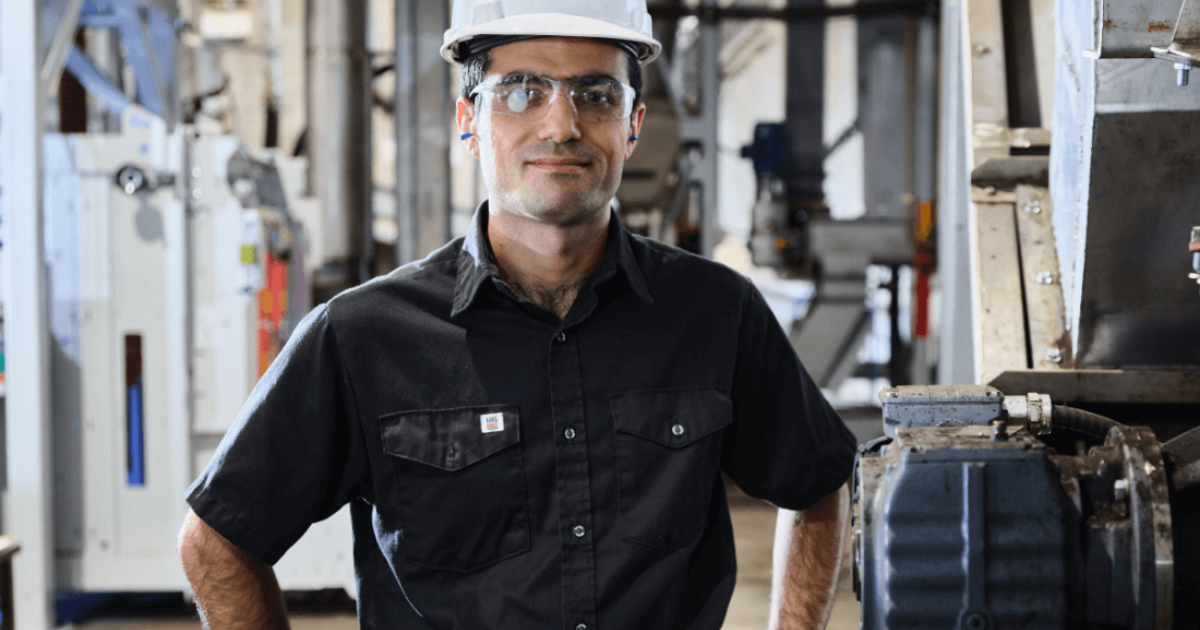
Our involvement goes beyond design. We support commissioning and provide hands-on operator training, enabling safe, efficient, and autonomous operation from day one.
STEP 4
Long-Term Operational Support
Once the facility is fully operational, we remain a long-term partner, providing technical and operational support to maintain performance, maximize uptime, and protect long-term project value.
Turning Residues Into Biocarbon
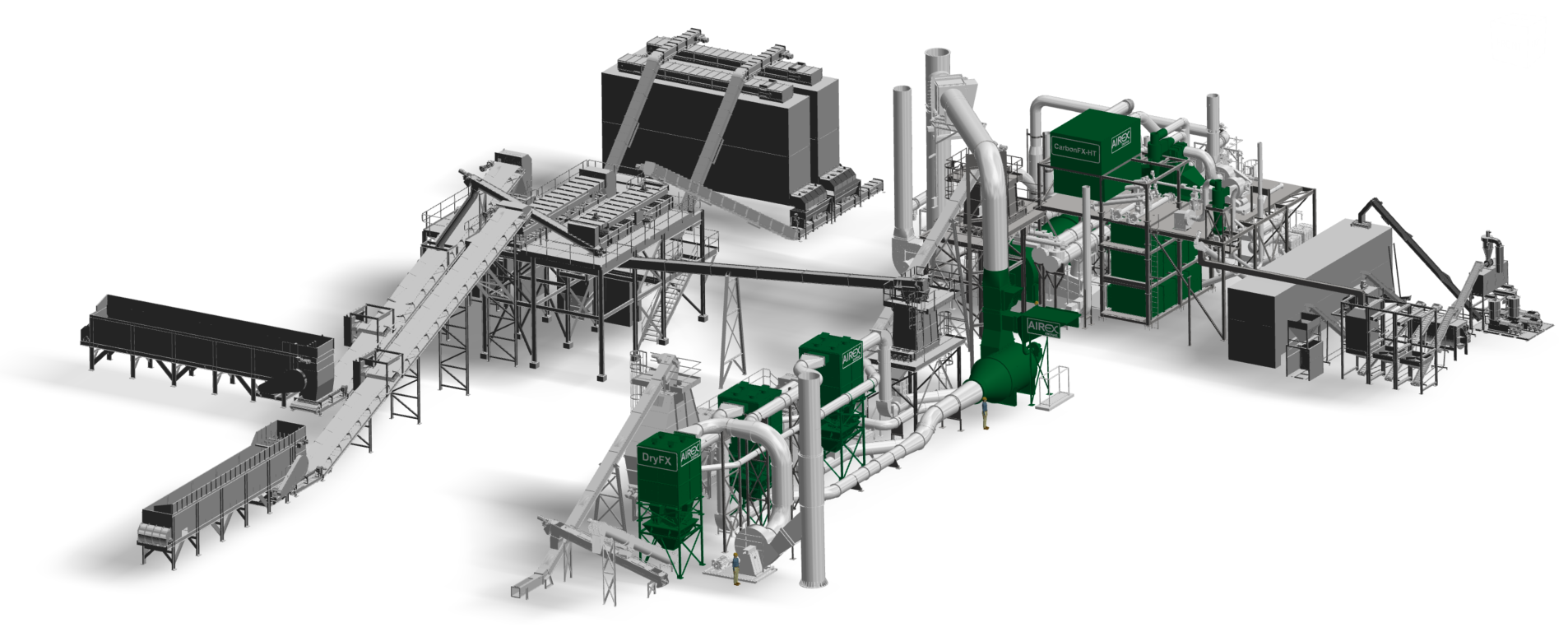
Our solutions transform biomass residues into biocarbon (metallurgical biochar) designed for high-temperature industrial processes. They are built for large-scale production with tight control over carbon content, bulk density, particle sizing, calorific value, volatile matter, and other critical specifications.
1. Reception & Sizing
We start by designing the right receiving and handling approach for your biomass residues, then size the material to the target specification.
Proper preparation and sizing improve downstream drying and carbonization performance, supporting consistent biochar quality.
2. Drying
Drying is tailored to your feedstock’s incoming moisture content. Using heat recovered from the CarbonFX-HT™ unit, we bring moisture down to the ideal range for efficient, stable carbonization, reducing energy consumption and improving overall system performance.
3. Carbonization
Our process flexibility lets us fine-tune operating conditions and residence time to develop the optimal “recipe” for your biocarbon.
Because every customer’s requirements are different, we tailor the settings to your feedstock, application, and performance goals.
The result is a homogeneous, consistent premium biocarbon, engineered to meet your specifications such as fixed carbon content, calorific value, etc.
4. Biocarbon & Agglomeration Line
We produce biocarbon at industrial scale and deliver it in market-ready formats, including powder, pellets, and briquettes.
To meet specific customer requirements, we design and integrate the appropriate agglomeration line, ensuring the product is optimized for sale, handling, and end-use performance.
5. Excess Energy Valorisation
We evaluate with each client, the best way to use the syngas generated by the process to lower costs or create new revenues.
Options can include directing syngas to condensation (using Airex Energy’s technology) to produce bio-oil, using cogeneration for heat and electricity, or integrating syngas to power other on-site processes.
Depending on the selected pathway, some elements may fall outside Airex Energy’s scope, but we will help assess the opportunity so the project remains coherent and bankable.
Powering the Heavy Industry
Developed for industrial deployment, our solutions handle multiple feedstocks while ensuring consistent performance, process stability, operational flexibility, and high conversion efficiency.
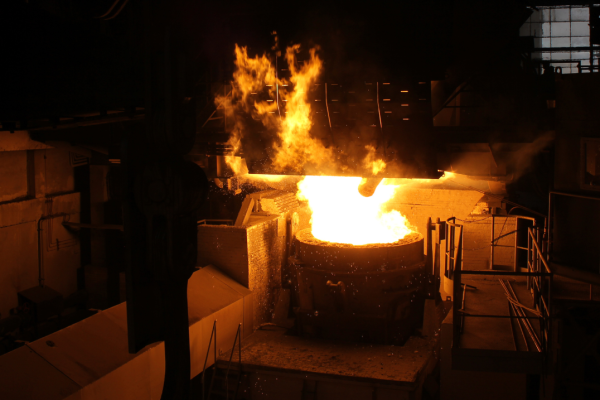
Metallurgy Industry
Worldwide, the metallurgy industry is showing a strong appetite for biocarbon as producers pursue green steel and lower-carbon metal production. In the past, reliable access to high-quality biocarbon used to be a key bottleneck for decarbonization. We address this gap by converting the biomass residues into tailored biocarbon that meets each client’s technical requirements.
Biocarbon is capable of replacing or blending with metallurgical coal in metal refining processes. It supports both carbon-based reduction reactions and high-temperature heat generation, enabling decarbonization across multiple metallurgical applications.
Key Metallurgical Applications
Steelmaking
Iron Ore
Base Metal
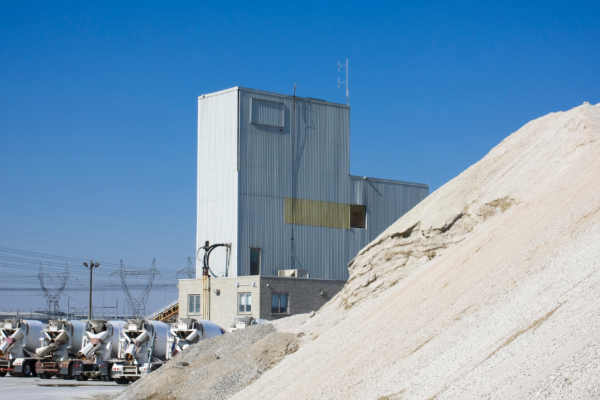
Cement Industry
Decarbonizing cement starts with clinker, and clinker starts with heat. As plants look to transition away from coal and petcoke, biocarbon is increasingly viewed as a key renewable energy input for kiln operations.
The challenge is availability: supply remains limited and quality can vary widely. We offer a reliable solution that transforms biomass residues into biocarbon engineered for energy performance and tailored to the needs of each cement plant.
How Biocarbon Is Used in Cement Production
Thermal energy substitution in clinker production
Compatible with decarbonization roadmaps targeting kiln emissions
Reduces fossil fuel consumption in kiln operations
Technology Highlight
CarbonFX-HT™ is a flexible, high-temperature carbonization technology engineered for industrial-scale biocarbon production.
Designed for performance and reliability, it adapts to diverse feedstocks and energy and carbon specifications.
Its modular, scalable design enables global deployment and supports the decarbonization goals of the heavy industry.