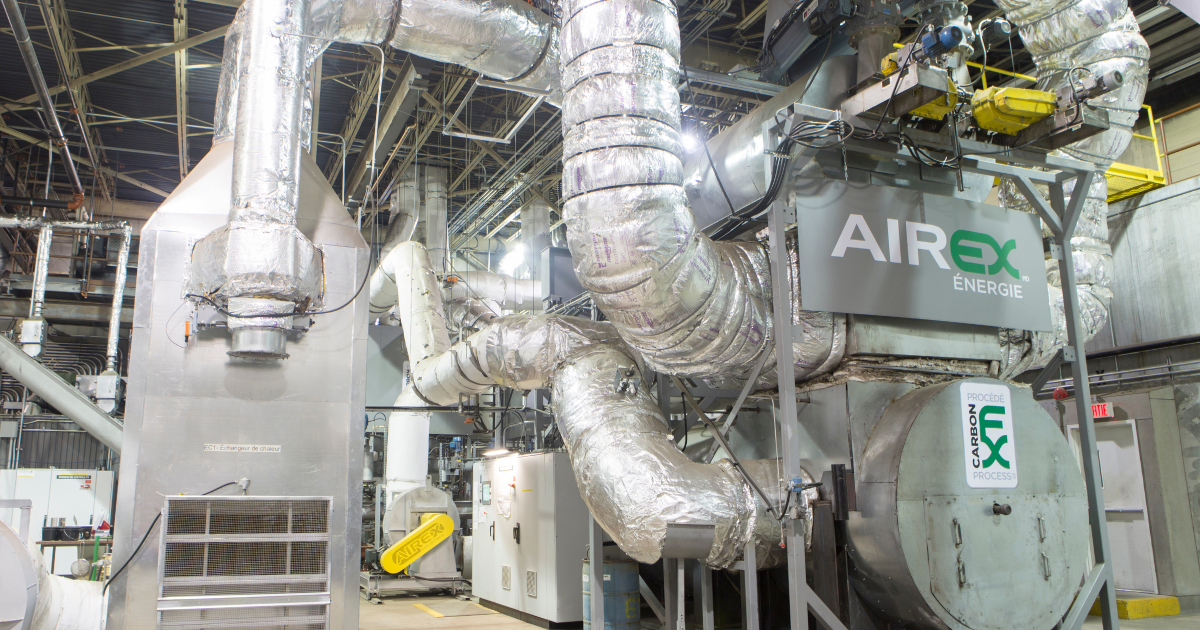
With our proprietary CarbonFX™ technology, we transform organic residues into sustainable, high-energy biocoal (torrefied pellets) that accelerates the transition away from fossil coal in power generation, district heating and biofuel production.
Connect with our experts to move your torrefaction project forward.
We work closely with each client to define the optimal biochar solution, based on feedstock, site constraints, target markets, and commercial objectives. Each project is engineered to meet specific performance and product requirements.
STEP 2
Process Customization & Performance
The flexibility of our technology allows each client to precisely tailor the process to produce consistent, homogeneous biochar aligned with certification pathways, while ensuring reliable, long-term economic performance at industrial scale.
STEP 3
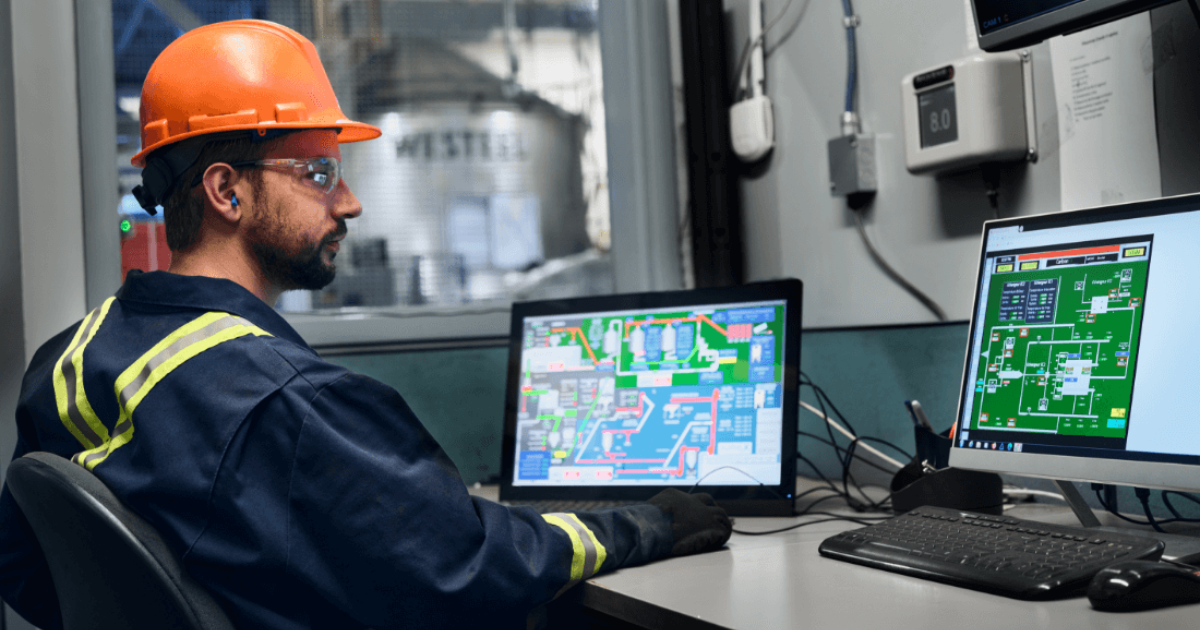
Commissioning & Operator Training
Our involvement goes beyond design. We support commissioning and provide hands-on operator training, enabling safe, efficient, and autonomous operation from day one.
STEP 4
Long-Term Operational Support
Once the facility is fully operational, we remain a long-term partner, providing technical and operational support to maintain performance, maximize uptime, and protect long-term project value.
Because Not All Pellets Are Created Equal
Torrefied pellets (biocoal) produced with our CarbonFX technology offer advantages that set them apart.
Higher Efficiency, Lower Complexity:
The Torrefied Advantage.
Low CAPEX
Integrate with existing processes
Easy to grind
Weather resistant
No storage needed (can be stored outside like coal)
High energy density ( ≥ 18.5 MJ/KG)
Co-firing ratio up to 100%
Safe to transport worldwide
Non-hazardous, no self-heating
Dust-free
No carbon-monoxide emission
Safe for employees
Technical Property
Unit
Value
Diameter, D and Length L ISO 17829
mm
D, 6 ± 1; 3.15 < L ≤ 50
Moisture ISO 18134-1, ISO 18134-2
w-% wet basis
≤ 6
Ash ISO 18122
w-% dry
≤ 2.0
Mechanical durability ISO 17831-1
%
≥ 96.5
Fines ISO 18846
w-%
≤ 1.0
Net calorific value ISO 18125
MJ/kg
≥ 18.5
Bulk density ISO 17828
kg/m³
≥ 680
A Solution Designed Around Your Energy Needs
Supporting fuel transitions with better performance, logistics, and reliability
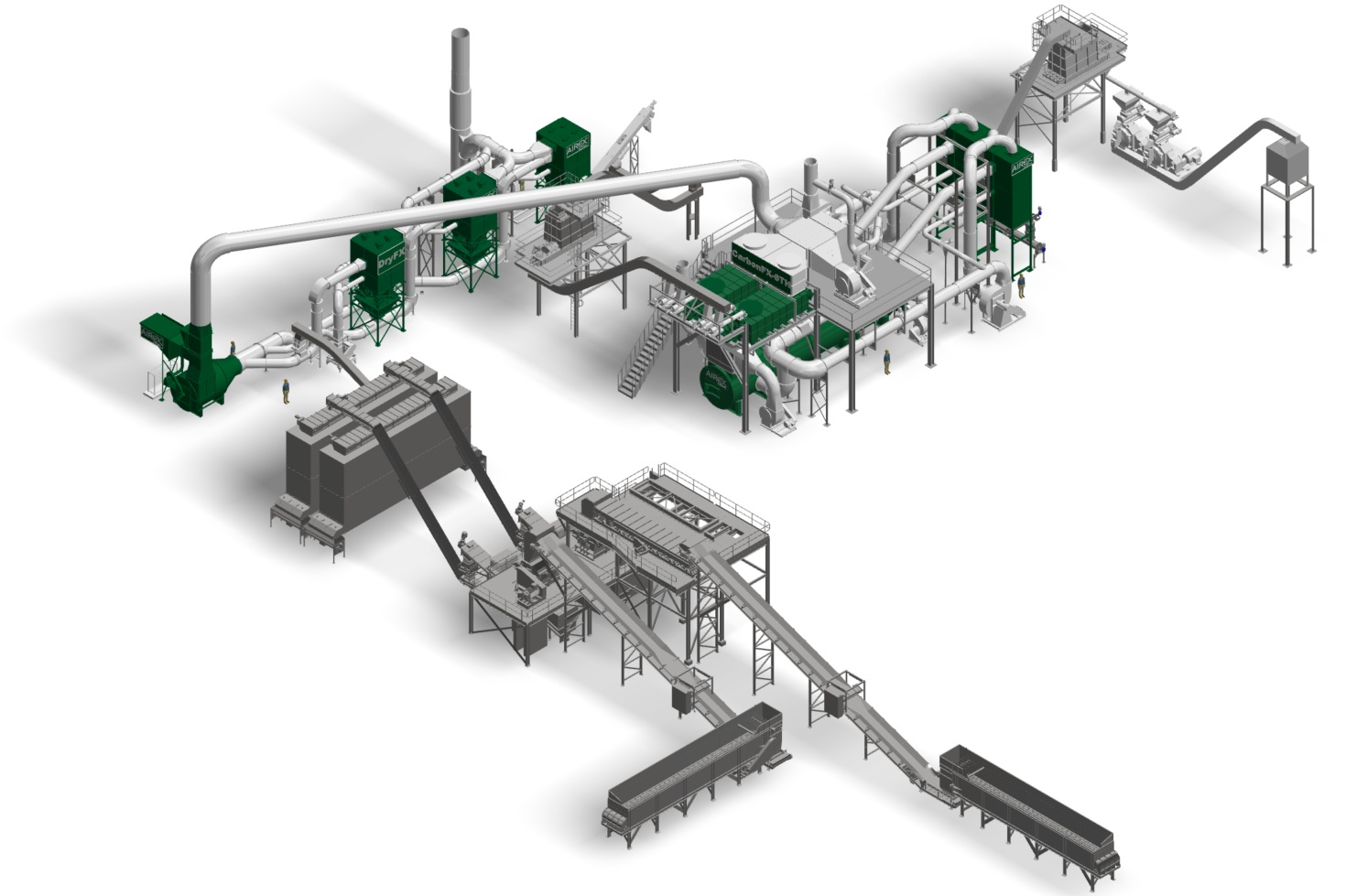
1. Reception & Sizing
We start by designing the right receiving and handling approach for your biomass residues, then size the material to the target specification.
Proper preparation and sizing improve downstream drying and carbonization performance, supporting consistent biochar quality.
2. Drying
Drying is tailored to your feedstock’s incoming moisture content. Using heat recovered from the CarbonFX™ unit, we bring moisture down to the ideal range for efficient, stable torrefaction, reducing energy consumption and improving overall system performance.
3. Torrefaction
Our flash torrefaction process combines high-throughput production with precise process control to deliver a homogeneous, high-quality torrefied material.
Because each feedstock and end application is different, operating conditions are tailored to your specific material, performance targets, and certification pathway (such as ISO).
The result is an energy-dense biocoal engineered to meet your specifications and ready for pelletization if required.
4. Pelletizing
When required, the torrefied material can be pelletized to meet specific performance requirements and optimize handling.
Therefore, after torrefaction, the biomass is densified so the pellet properties are tailored to customer specifications such as bulk density, durability, grindability (HGI), etc.
This flexible approach ensures the final biocoal meets both application and logistics needs.
5. Biocoal
Once pelletized, biocoal is easy and safe to handle and transport. It does not emit dust when handled, or toxic off-gassing when stored, simplifying logistics and compliance.
Thanks to its water-resistant properties, biocoal can be stored outdoors like coal, reducing the need for costly covered storage and enabling one of the simplest, most practical way to replace fossil coal with a renewable alternative.
Powering the energy transition at scale
Designed for industrial-scale execution, our solution transforms multiple feedstocks into high-quality renewable fuel with superior process stability, operational flexibility and optimized conversion efficiency.
Power Generation
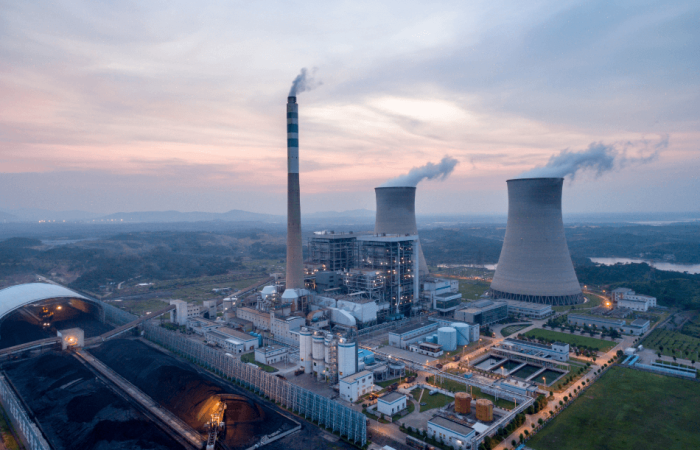
Designed as a drop-in replacement, biocoal can be co-fired with coal and scaled up to 100%, enabling a smooth transition to renewable energy using existing plant infrastructure.
Its consistent quality and high energy density support reliable baseload and peak-load power for communities.
District Heating
Heat for urban networks requires reliable and affordable solutions that integrate seamlessly into existing systems. Biocoal provides a practical pathway to renewable district heating by enabling up to 100% fossil fuel replacement.
Its stable quality and energy density support continuous heat delivery, helping drive long-term decarbonization without compromising reliability.
Biofuel Production
Scaling advanced biofuels requires reliable, standardized feedstocks that integrate seamlessly across the value chain.
Biocoal upgrades biomass residues into a dense, uniform solid feedstock suitable for producing sustainable aviation fuel (SAF), green hydrogen, and biomethanol. Its consistent properties support stable conversion performance while enabling scalable, long-term decarbonization with simplified logistics.
It delivers consistent, high-quality output across diverse feedstocks while meeting demanding energy, HGI, ash and bulk density requirements.
With superior efficiency and a modular, globally deployable architecture, CarbonFX™ empowers the energy industry to transition away from fossil coal at scale.